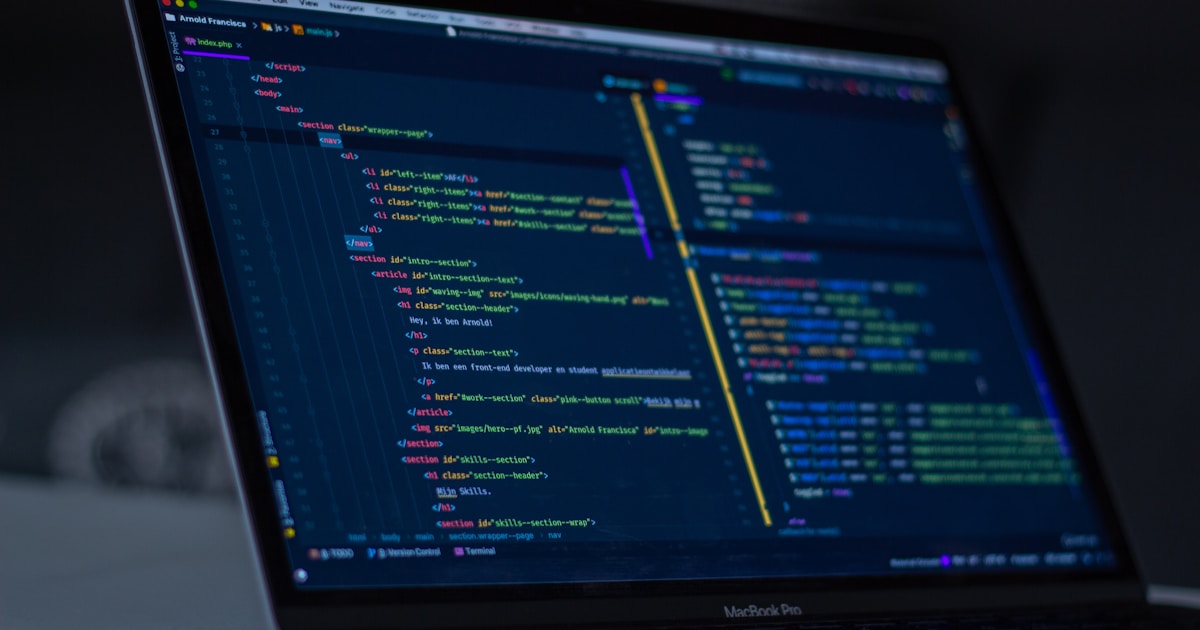
Code review is the highest-leverage activity a team can practice. It catches bugs before they reach production, spreads knowledge across the team, and enforces coding standards. It's also painfully slow: a single pull request can take 30“60 minutes of focused attention, and with dozens of PRs flowing daily, review becomes the bottleneck.
Direct Answer
An AI code roast can surface 14 issues in your code in under 30 seconds — work that would take a human reviewer 30 to 60 minutes of focused attention. By automating the pattern-matching portion of code review, an AI roast frees your human reviewers to focus on design decisions, architectural trade-offs, and the judgment calls that machines still cannot make. The result is faster feedback loops and cleaner code without slowing down your team.
So I tried the other extreme. I pasted my code into an AI that doesn't suggest politely ” it roasts it. Line-by-line, unsparing, with line numbers and suggested refactors. The verdict came back in under a minute, and it found 14 issues I'd missed.
Here's what it taught me.
What an AI code roast actually is
An AI roast is a critique, not a linter. Linters check formatting rules you already know. An AI reviewer reads your code like a senior engineer on a bad day: it hunts for code smells, security anti-patterns, performance red flags, and style violations ” then tells you exactly where they are and how to fix them.
It doesn't replace human judgment. It removes the rote, pattern-matching work that consumes 80% of a human review's time. That's the part nobody enjoys anyway.
The typical code review session follows a predictable arc. The reviewer opens the pull request, scans the file list, reads through the changes line by line, and mentally checks for a dozen common anti-patterns. Most of that mental checklist is mechanical: indentation consistency, naming conventions, function length, error handling. An AI roast automates that entire checklist in seconds. It does not get tired halfway through a large diff. It does not skip the third file because the first two were clean. It applies the same level of scrutiny to every line, every time.
What makes this approach particularly useful for solo developers or small teams is the coverage gap it fills. When you do not have a second pair of eyes available, code review becomes optional — and optional code review means bugs ship to production undetected. An AI roast provides a baseline quality gate that works whether you are coding at two in the morning or pushing a hotfix before a holiday weekend. It acts as a tireless safety net that never calls in sick.
The format of the output matters too. Rather than a wall of general comments, a good AI roast returns numbered issues with exact line references, severity levels, and concrete refactoring suggestions. This means you can triage the results immediately: fix the critical items first, address the style issues when you have time, and ignore the suggestions that do not apply to your context. The structured output turns vague feedback into a prioritized to-do list.
The 5 code smells it caught instantly
1. Functions that are too long
Anything over ~50 lines signals the function is doing three jobs instead of one. The AI flagged mine and pointed at the exact extraction points.
2. Excessive nesting
More than three levels of indentation deep means the control flow is tangled. Every extra level multiplies the number of paths a future maintainer has to hold in their head.
The reason these first two smells matter so much is that they compound. A function that is both too long and deeply nested is nearly impossible to debug. When a bug surfaces in a 100-line function with five levels of indentation, you cannot simply read top to bottom and understand the flow. You have to trace each branch, track each variable through each scope, and hold the entire mental model of the function while searching for the defect. Breaking long functions into smaller, well-named units with flat control flow makes debugging a linear exercise instead of a treasure hunt.
There is also a social cost. When code reviews consistently surface the same structural problems, reviewers begin to dread opening certain pull requests. The author feels defensive. The reviewer feels like a nag. Both disengage from the process. When an AI catches these mechanical issues before a human ever sees the diff, the human review becomes a conversation about design and intent instead of a corrections session. That shift in dynamic is one of the least expected benefits of AI-assisted code review.


